The Apulian Art of Living: A Night in a 16th-Century Palazzo
In Lecce, there are places you visit, and others you immediately feel — Palazzo Maresgallo belongs to the latter category. Behind its 16th-century façade, set slightly apart from the bustle of the city, I discovered far more than a hotel: a home. The home of its owners, who restored this palace as “an act of love,” respecting its original architecture while gently infusing it with a sensitive modern touch. Here, vaulted ceilings and stone walls enter into dialogue with design and contemporary art in a rare, understated balance that never feels ostentatious.
What stands out most is the way the place tells the story of Lecce — not as a frozen backdrop, but as a living experience. Time itself seems to stretch here: a breakfast without rigid schedules, a lingering conversation, sometimes even an improvised night walk through the city with those who live in it. This attention to each guest is not a service; it is a philosophy. Palazzo Maresgallo perfectly embodies the Salento art of living — slow, welcoming, and joyfully sensorial — where every detail, from textures to flavours, contributes to a full immersion. More than a place, it is a way of inhabiting time, of rediscovering things with intensity. And perhaps that is exactly what one comes here seeking.
A Pastry Stop at Martinucci
In Lecce, there is a ritual one always returns to — almost instinctively — stopping at Martinucci on Piazza Sant’Oronzo. It is a lively, bustling tea room deeply rooted in the daily life of Lecce’s residents. One likes to sit in the intimate underground rooms and order one of the city’s specialties: a still-warm pasticciotto. In summer, it is often paired with a caffè leccese, coffee served over ice and subtly sweetened with a drizzle of almond syrup — a perfect expression of the South.
Here, pastry is not just a pleasure, it is culture. The displays overflow with sweets — babà, cassata cakes, cannoli — and one always hesitates before finally giving in to temptation. It is a place to return to at any time of day: a quick morning coffee, a sweet break, a suspended moment between appointments, or an ice cream for the evening passeggiata. An institution in Salento that has never lost its artisanal soul.
The Pasticciotto Leccese: Far More Than Just a Pastry
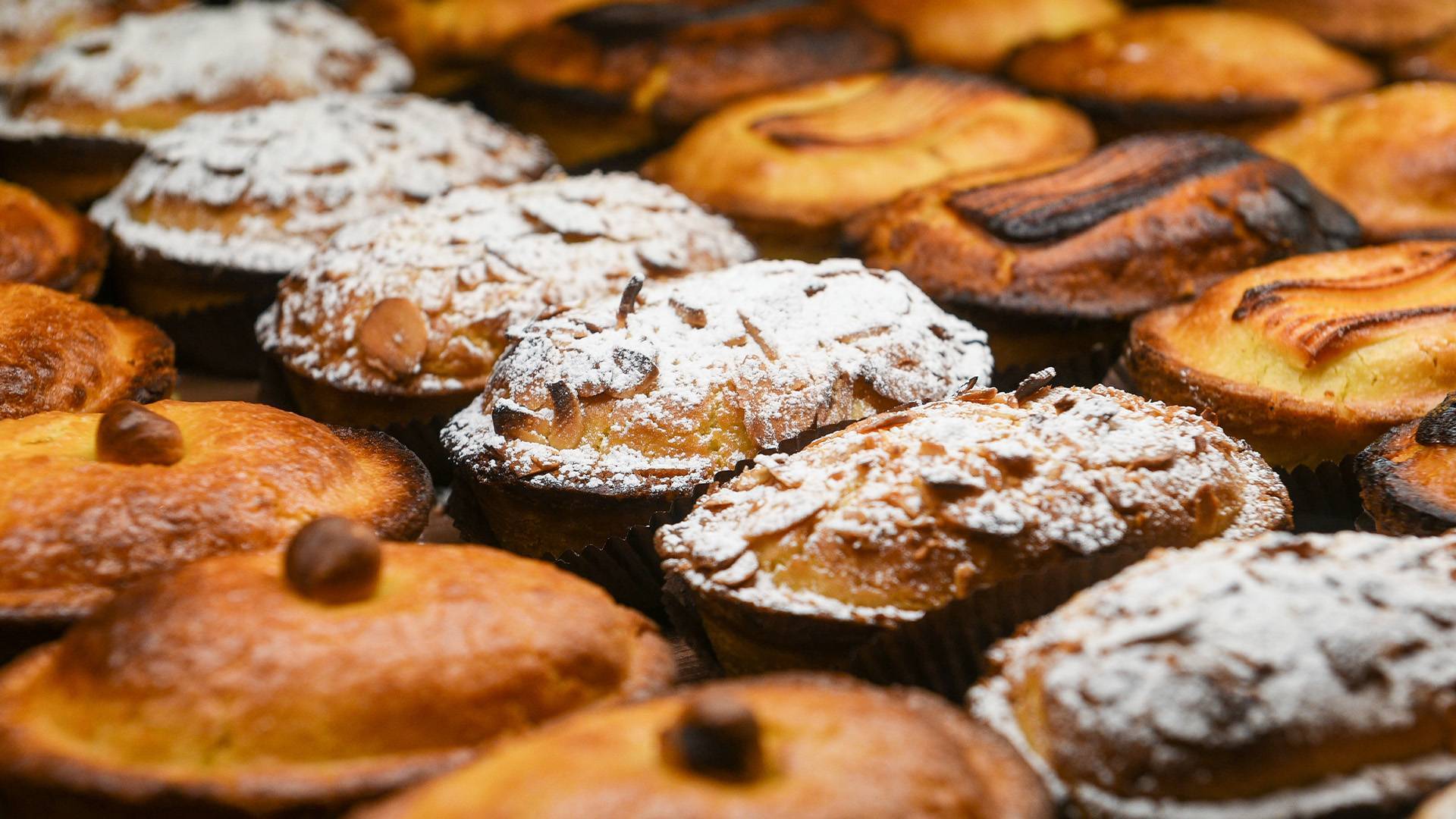
A true symbol of Salento, the pasticciotto carries the taste of childhood and tradition, often enjoyed first thing in the morning. This small pastry is shaped like a delicate case of shortcrust pastry — frolla — baked until golden and slightly crumbly, encasing a rich, velvety custard filling.
Its apparent simplicity is, in reality, the result of a precise balance: basic yet high-quality ingredients, carefully worked pastry, and above all respect for resting times, which give it its distinctive texture.
The traditional recipe notably includes lard, which gives the dough its unique melt-in-the-mouth quality, along with a subtle hint of lemon zest. Once filled, the pastry is sealed, brushed with egg wash, and baked until it reaches an irresistible amber colour.
It is best enjoyed warm, when the custard is still soft, fragrant, and comforting. By nature fleeting, the pasticciotto is meant to be eaten fresh, almost straight from the oven — a living delicacy that allows neither delay nor compromise.