An Image Built in Record Time
Twenty years ago, Puglia was still largely unknown to most French buyers and travellers. In France, even the mere mention of the region’s name often prompted a smile, thanks to its unfortunate resemblance to the French word pouilleux (“scruffy” or “ragged”).
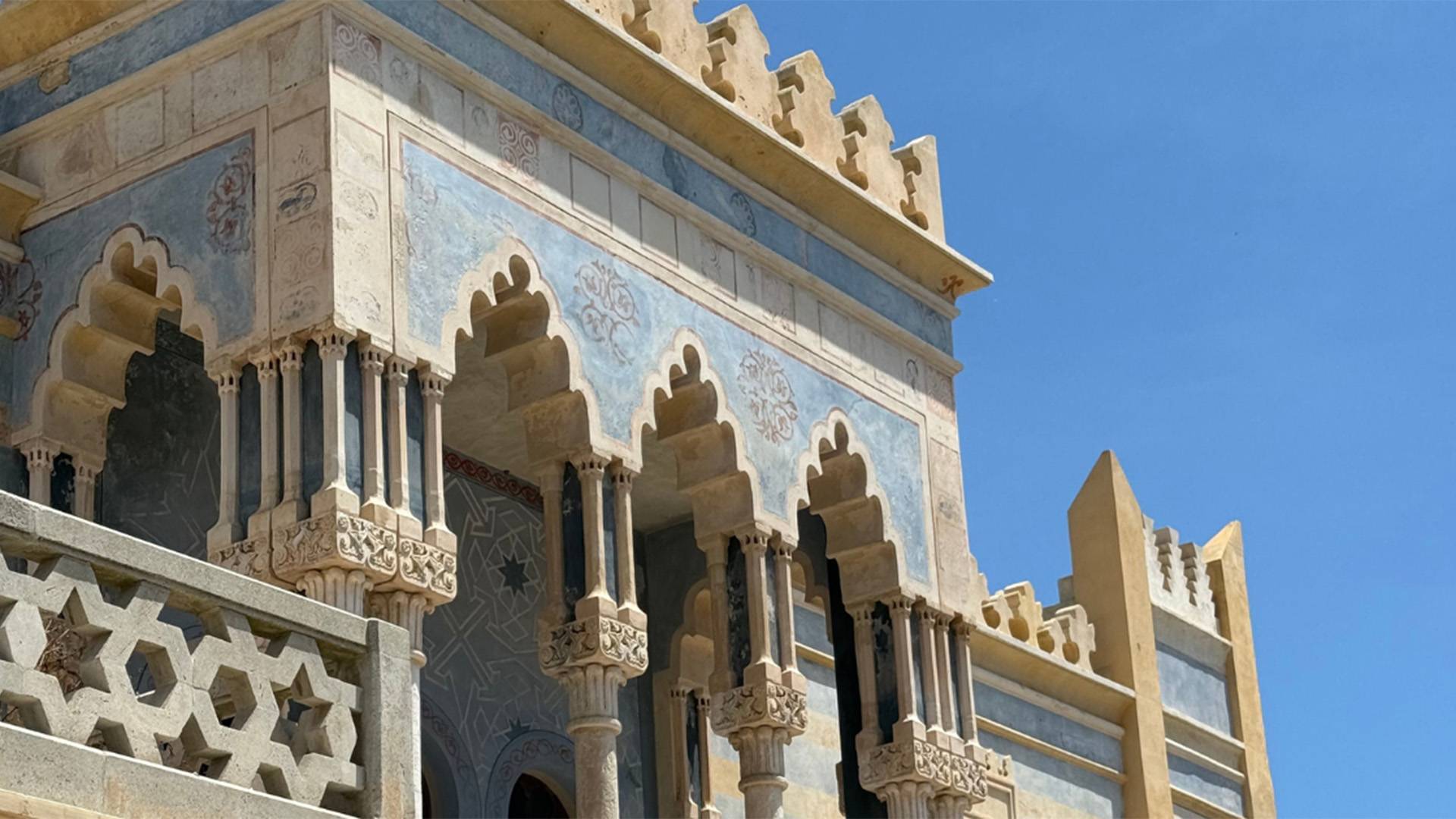
Yet the region’s architectural charm quickly put an end to such linguistic jokes. Trulli — the iconic cone-roofed houses — centuries-old masserie built from local stone, and beautifully preserved homes in historic villages all coexist within an authentic and unspoilt natural landscape.
Puglia’s lifestyle is another key part of its appeal. Deliberately more authentic and less polished than Tuscany, the region remains deeply rooted in tradition, family life and gastronomy. Throughout much of the year, religious processions follow one another in honour of local patron saints, with celebrations that can last for several days.
But if there are two words that truly define Puglia, they are beach and sea. Here, people are less likely to ask whether you had a good weekend than which beach you visited. And rather than asking “How are you?”, they are more inclined to ask whether you ate well.
Outstanding Value for Money
This is undoubtedly Puglia’s greatest strength. While property prices in Tuscany are often comparable to those found in France — including in highly sought-after coastal resorts and prestigious locations — Puglia remains remarkably affordable, even in its most desirable towns and villages.
It was the Anglo-Saxons, and the British in particular, who first recognised the potential of the region’s iconic trulli, the traditional cone-roofed houses that have since become synonymous with Puglia. Veteran estate agents still fondly recall the days when transactions were completed in Italian lire, while the pound sterling was exceptionally strong.
According to Idealista, the average residential property price in Tuscany stood at around €2,387 per square metre in October 2025, rising to €4,000 or even €5,000 per square metre in the region’s most sought-after locations.
In Puglia, again according to Idealista, the average price for the same period was approximately €1,233 per square metre, with values generally peaking at around €3,000 per square metre in the most desirable areas.
This pricing gap allows buyers to acquire character properties at a more accessible cost and, in many cases, to allocate a larger portion of their budget to high-end renovations and bespoke finishes — a luxury that has become increasingly difficult to afford in Tuscany’s most prestigious markets.
A Highly Dynamic Short-Term Rental Market in Puglia
Although acquisition prices remain significantly lower, short-term rental rates in Puglia are broadly comparable to those found in many Italian cities, including premium destinations in Tuscany.
Thanks to its two international airports — Bari and Brindisi — the region is now extremely well connected to the rest of the world. In 2024 alone, nearly 10 million passengers passed through these two gateways, underscoring Puglia’s growing international accessibility.
This momentum is set to strengthen further with the upcoming launch of direct flights between New York and Bari operated by American Airlines, scheduled three times a week from May 2026.
Such a steady influx of international visitors naturally supports sustained rental demand and strong occupancy levels. This is further reinforced by the quality and character of the local accommodation offer. From trulli and masserie to traditional stone townhouses, Puglia offers a distinctive and highly sought-after portfolio of properties that continues to appeal to travellers in search of authenticity and experience-driven stays.
Tuscany Still Holds Several Key Advantages
Tuscany, much like Milan, remains an iconic reference on the global stage. Cities such as Florence, Siena, Pisa, Lucca, and San Gimignano continue to resonate as benchmark destinations for many property buyers, offering a sense of familiarity, stability, and prestige that is particularly valued within the luxury segment.
In addition, Tuscany is a mature market that has been established for decades. This long-standing stability provides reassurance to certain investors, particularly those seeking predictability in the high-end real estate sector.
The region also benefits from highly developed infrastructure, complemented by a strong network of private hospitality and service providers. Together, these elements contribute to a consistently high standard of excellence across the region, reinforcing Tuscany’s position as one of Italy’s most refined and reliable property markets.